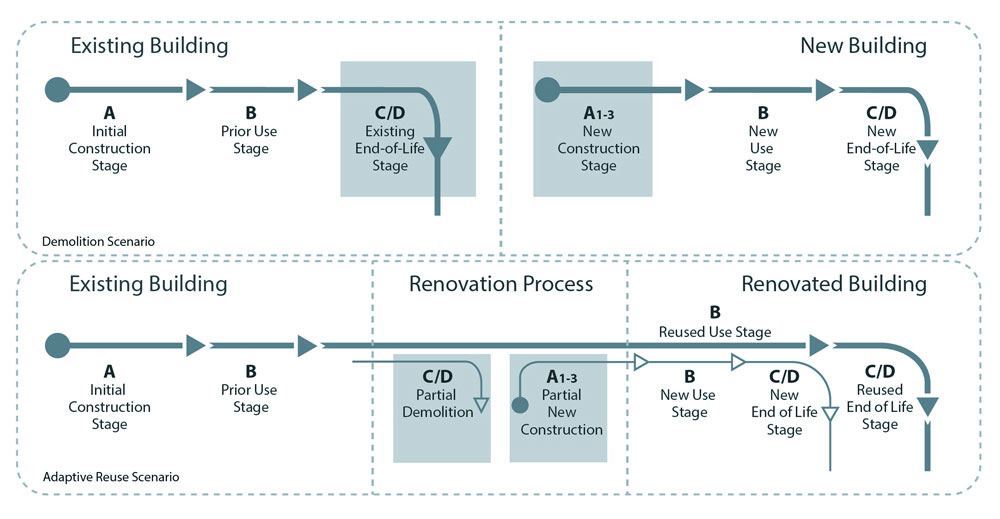
When a building reaches the end of its intended life, the default response in many markets, particularly in land-scarce, rapidly developing cities, is demolition and replacement. But demolition discards the embodied carbon already locked into a building’s structure and materials, and new construction generates a fresh wave of emissions before a single occupant moves in. This research quantified the avoided carbon emissions achievable through renovation and adaptive reuse rather than demolition, using a comparative life cycle assessment of a commercial-to-residential conversion project in Singapore. This was an industry-sponsored project with our data collection and analysis running in parallel with our partner’s adaptive reuse design process and construction.
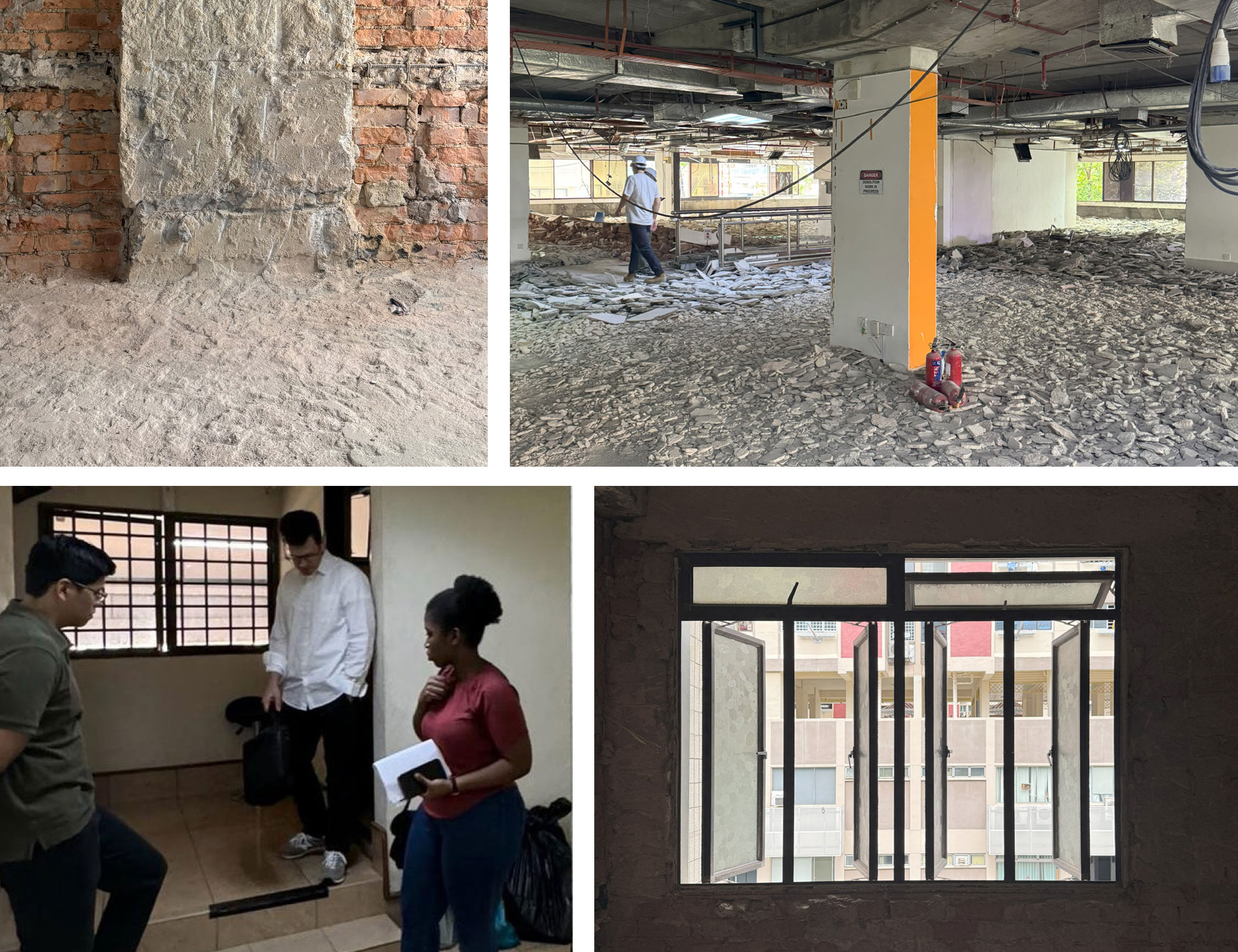
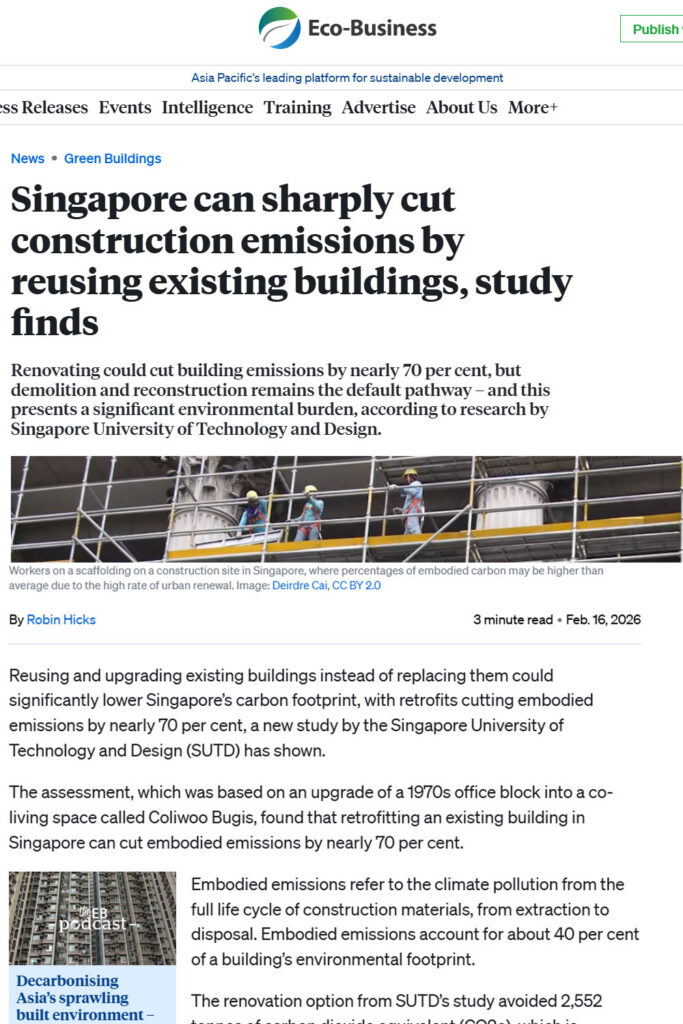
The study also examined how the Level of Development (LOD) of a building information model affects the accuracy of embodied carbon assessments, a methodological contribution with direct implications for practitioners conducting carbon audits of existing buildings. Our work was featured in 2026 article in Eco-Business and we shared our results at the 2025 SASBE conference in Lille. The work was carried out with the support of LHN Group and contributed to an emerging evidence base on the value of adaptive reuse in Singapore’s built environment.
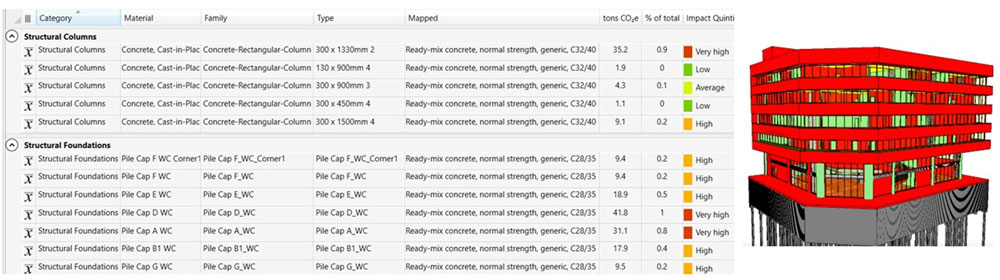
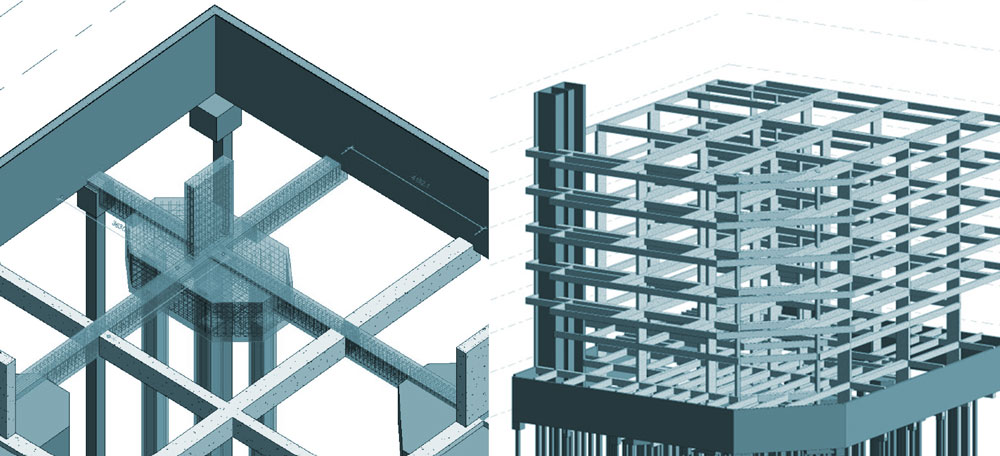
Citation Mlote, D., Yalcinkaya, S., Ortner, F.P. (2025). Assessing Renovation-Avoided Carbon Emissions: A Comparative Life Cycle Assessment and the Influence of LOD on a Building Use Conversion Project. (SASBE 2025), Lille, France.
Hicks, R., 2026. Singapore can sharply cut construction emissions by reusing existing buildings, study finds. Eco-Business. https://www.eco-business.com/news/singapore-can-sharply-cut-construction-emissions-by-reusing-existing-buildings-study-finds/
Acknowledgements Authors: Doreen Mlote, Sezgi Yalcinkaya, F. Peter Ortner. This research was supported by an industry-sponsored grant from LHN Group, Singapore (Renovation Avoided Carbon Emissions project, 2024–2025).