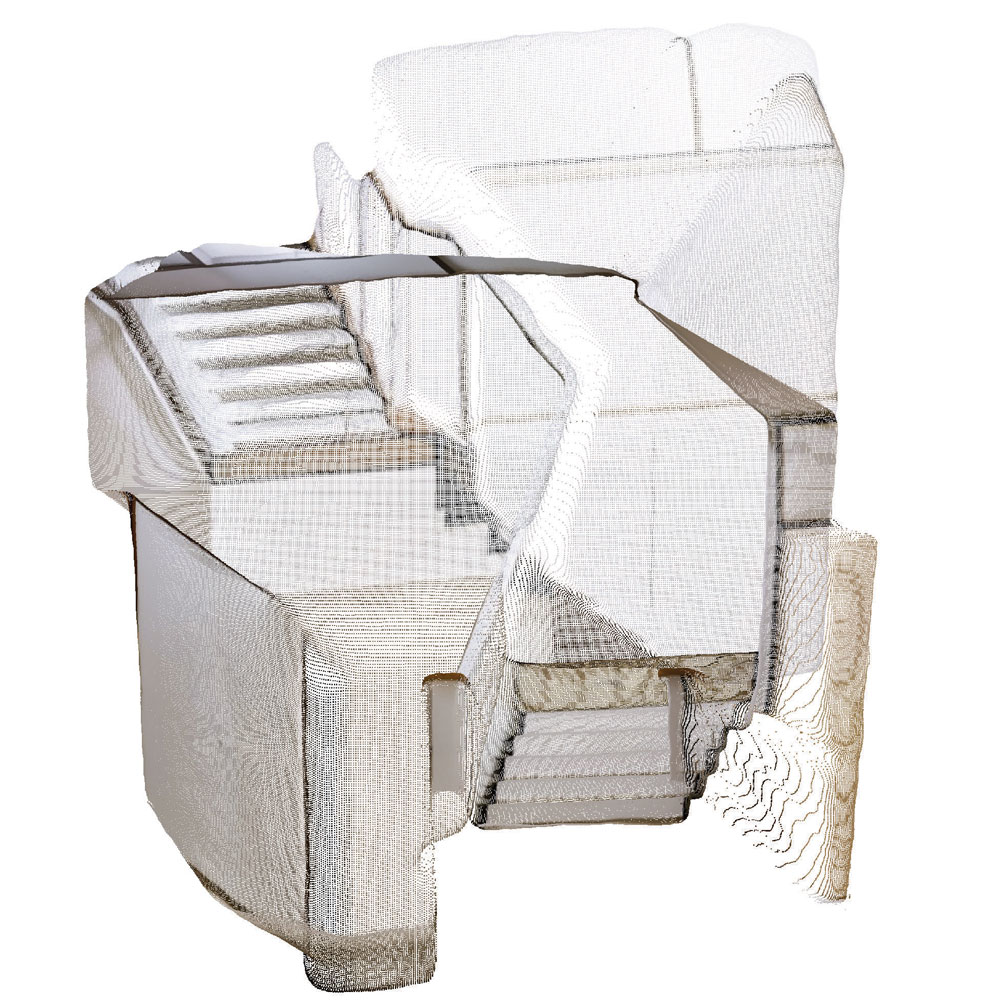
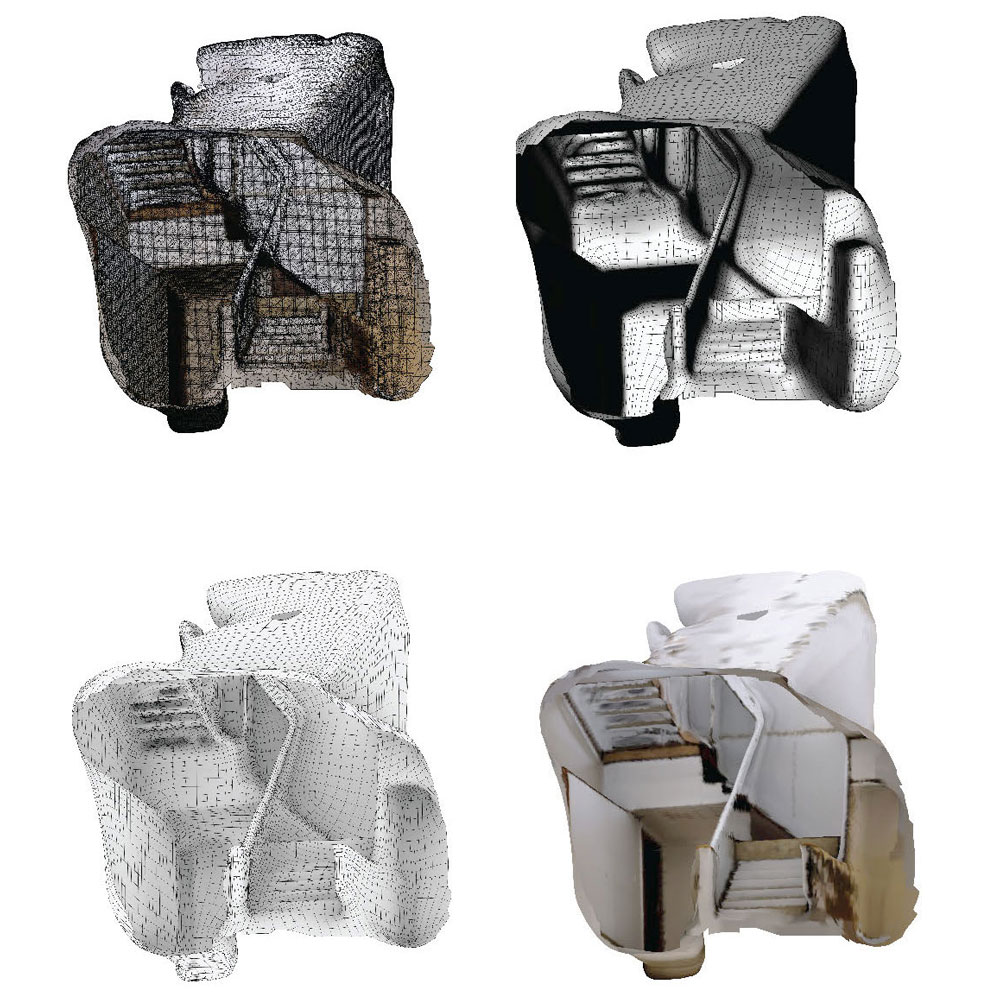
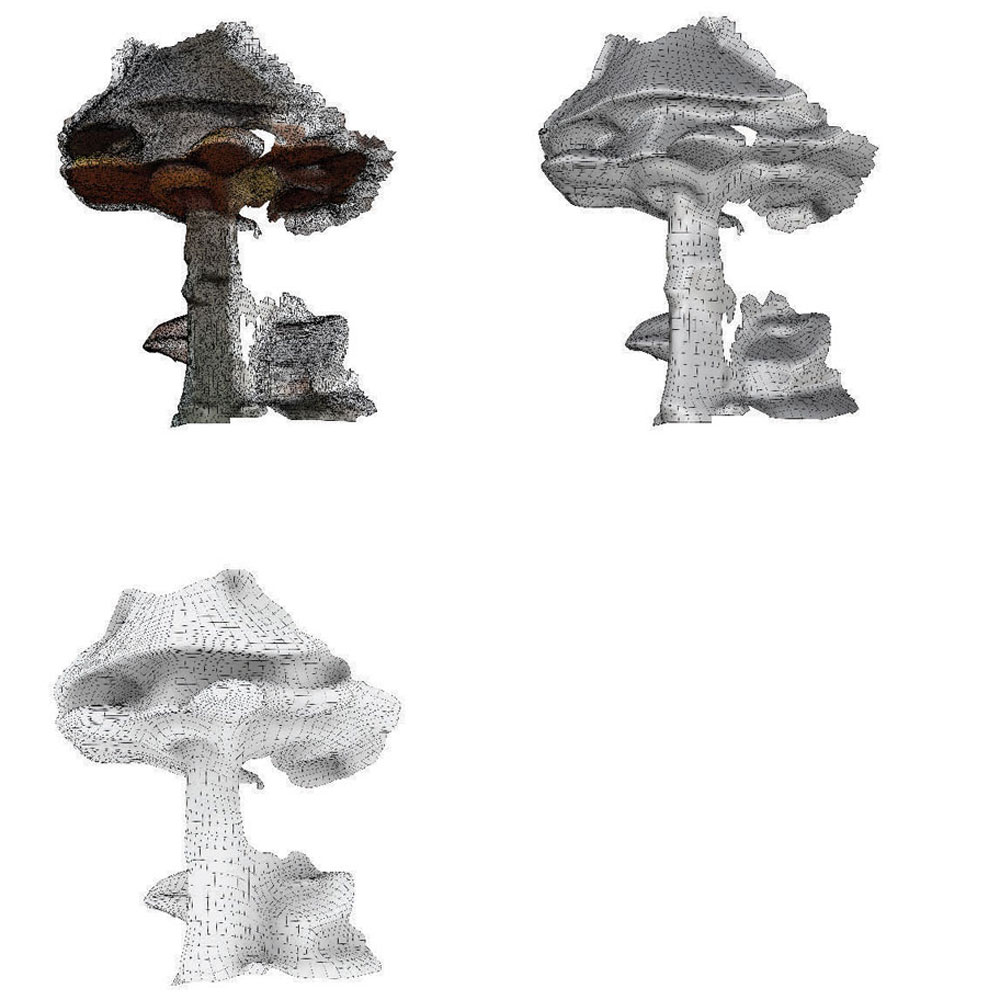
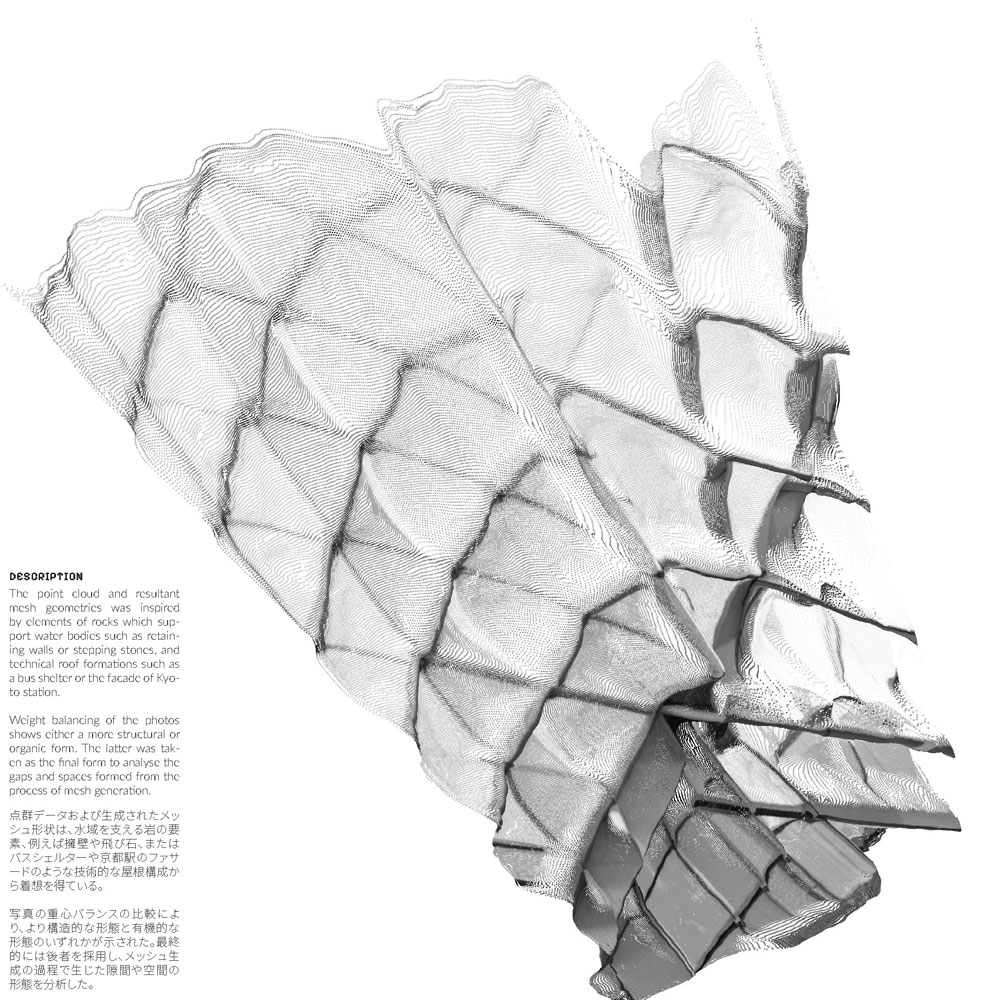
A one-week workshop at Kyoto Design Lab brought together students from SUTD and Kyoto Institute of Technology.
Participants worked in technical sessions using generative AI form-generation tools to produce and critically rationalise architectural proposals derived from source material drawn directly from Kyoto — its landscapes, traditional building typologies, forest ecologies, and urban grain.
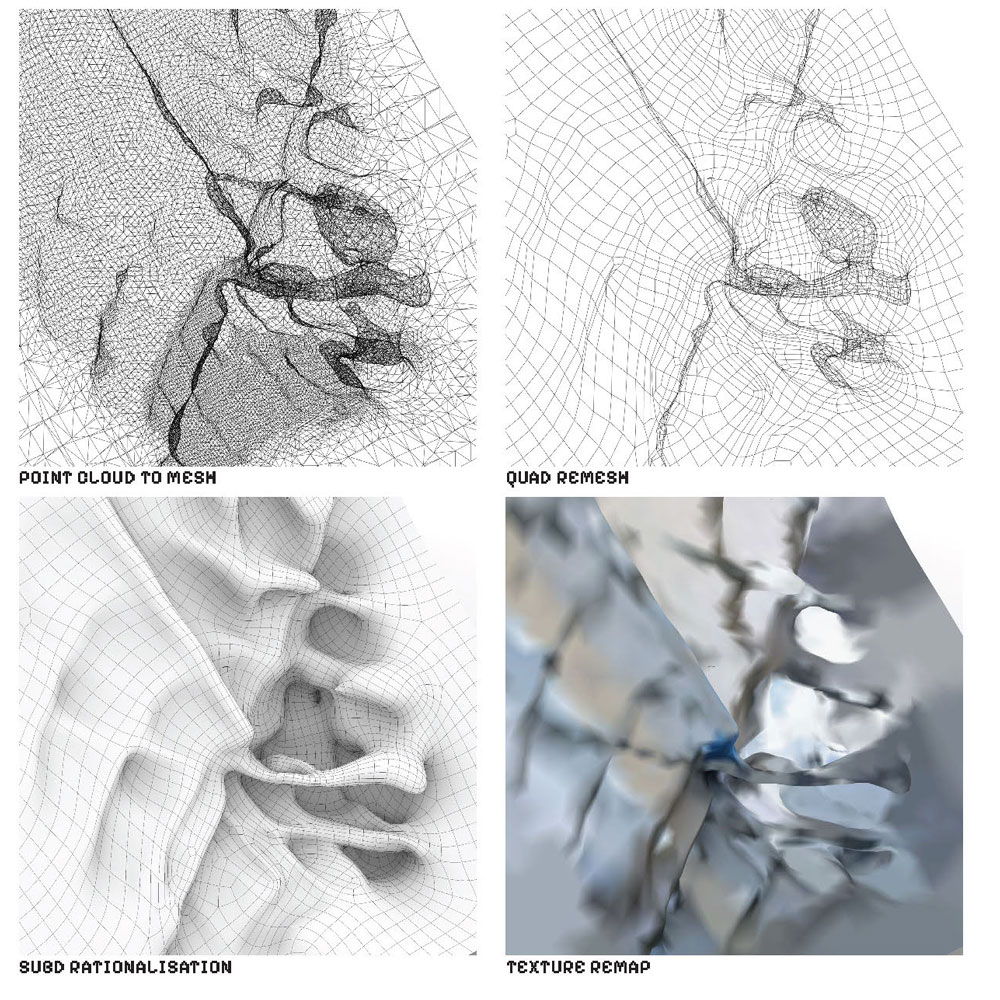
Panel discussions and invited speakers extended the technical sessions into broader territory. Speakers included a representative of the Kyoto City Planning Agency, Professor Hideyuki Niwa of Kyoto University of Art and Design, whose work on landscape ecology provided a scientific frame for what regenerative intervention in Kyoto’s forest and urban edge conditions might actually require, and Lester Goh, SUTD alumnus and founder of Akiya 2.0, whose work on the adaptive reuse of Japan’s vacant rural housing stock offered a practitioner perspective on regeneration at the building scale. Together these contributions pressed participants to test their AI-generated proposals against real planning, ecological, and economic constraints.
Workshop Details
Title: ReGen Kyoto: Contexts and Forms Date: October 2025 Location: Kyoto Design Lab, Kyoto Institute of Technology, Kyoto, Japan Partners: Kyoto Design Lab, Kyoto Institute of Technology (KIT), SUTD Net Zero Futures Lab, Erwin Viray Lab

Acknowledgements:
Workshop led by F. Peter Ortner, in collaboration with Professor Erwin Viray, Zebin Chen, Praveen Govindarajan, Lester Lim and faculty at Kyoto Institute of Technology. Invited speakers: Kyoto City Planning Agency; Professor Hideyuki Niwa, Kyoto University of Art and Design (Landscape Ecology); Lester Goh, Akiya 2.0. Funded by Kyoto Design Lab, Kyoto Institute of Technology (covering travel and material costs).
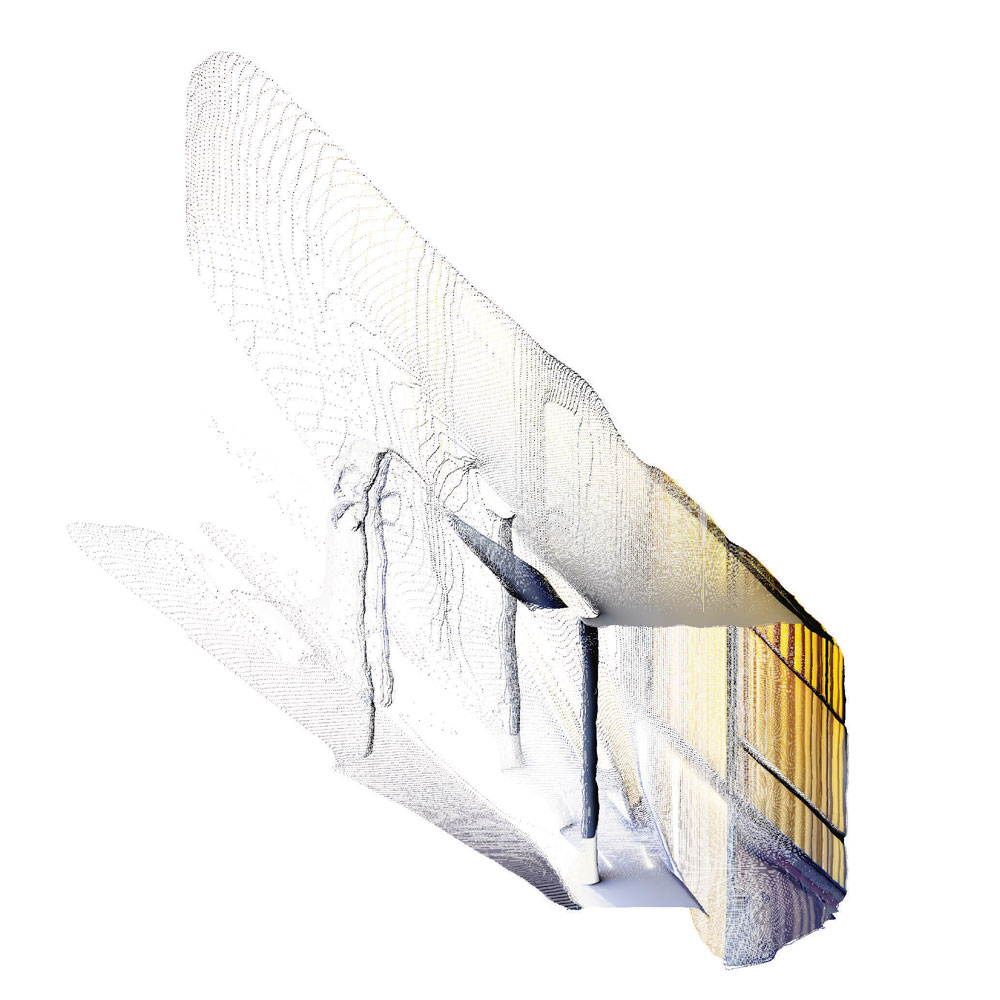
Student work shown in order of appearance is by Tan Jia Yue, Shinichi Yokota, Taiki Wada, and Haruka Koga.